Advertising in pDOOH Advertising Pan India

About Advertising in pDOOH Advertising Pan India
pDOOH, short for programmatic Digital Out-of-Home, is revolutionizing the way brands connect with audiences in the physical world. Forget static billboards with fixed schedules! pDOOH brings the dynamic, data-driven power of online advertising to outdoor screens. It's about using sophisticated technology to automate the buying, selling, and delivery of ads on digital displays found in public spaces – from bustling city billboards to screens in shopping malls, airports, and bus shelters.
Key Insights
Top Choice

Digital Screen
Base Rate
₹ 1,00,000 Per Package
pDOOH Case Study #1

pDOOH Case Study #2

pDOOH Case Study #3

Confused?
We can help
Hire our expert media planners to find, plan and place your next promotion.

pDOOH Advertising Pan India Advertising Cost
Advertising Option | TMA Offer | Place Ads |
|---|---|---|
Digital Screen | ₹ 1,00,000 Per Package | Book Ads Now |
What is Programmatic pDOOH Advertising?
Programmatic pDOOH advertising is the automated, data-driven evolution of traditional outdoor advertising. Imagine being able to show your ad on a digital screen only when your ideal customer is likely to be passing by, or when specific conditions (like weather or time of day) make your message most relevant. That's the power of programmatic.
It's not just about putting an ad on a screen; it's about intelligent placement. This approach uses powerful software to analyze vast amounts of data, enabling advertisers to target specific audiences with unparalleled precision. This means your message hits home with the right people, at the right moment, in the right place, leading to truly impactful campaigns.
How Programmatic Digital Out of Home Advertising Works?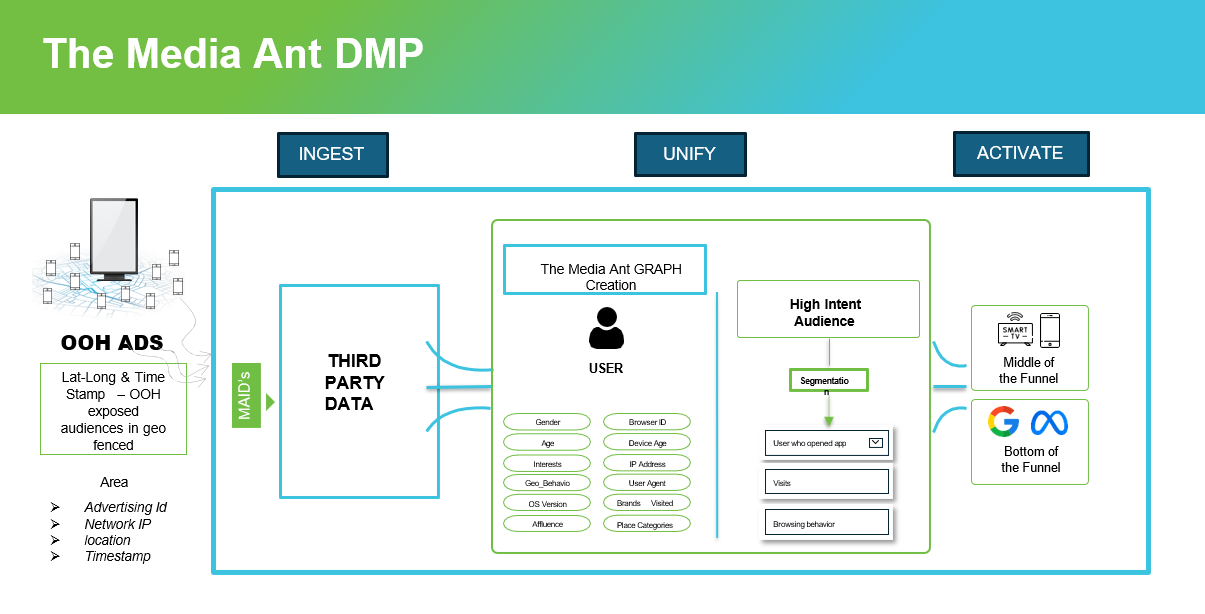
Ever wondered how programmatic digital out of home transforms public screens into dynamic advertising canvases? It's a sophisticated yet seamless process:
1.Inventory on Display
Owners of digital screens (like those you see in high-traffic areas) make their available ad slots accessible through Supply-Side Platforms (SSPs).
2.Advertisers Take the Reins
Advertisers and agencies use Demand-Side Platforms (DSPs) to access this vast inventory. Here, they define their ideal audience, budget, locations, and campaign goals.
3.Data-Driven Intelligence
DSPs are integrated with rich data sources – from mobile location data to audience demographics and even real-time weather. This intelligence helps advertisers pinpoint the perfect moments and locations for their ads.
4.Real-Time Bidding
When an ad slot becomes available on a screen that matches an advertiser's criteria, a lightning-fast, real-time auction occurs. Advertisers bid for the impression based on how valuable that specific audience and moment are to them.
5. Instant Delivery
The winning ad is automatically and instantly delivered to the digital screen.
6.Continuous Optimization
Throughout the campaign, advertisers receive real-time performance reports, allowing them to make immediate adjustments to optimize for better results and maximize ROI.
This entire automated process happens in milliseconds, ensuring your message is always timely and relevant.
Types of pDOOH Advertising
Digital Screen:
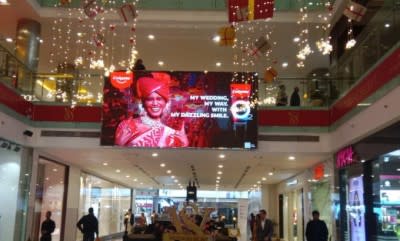
Large-format screens along roadsides and in city centers capture the attention of drivers and pedestrians. Digital Screens are the most common and flexible format in pDOOH advertising. These include LED billboards, digital bus shelters, mall kiosks, airport screens, metro displays, and even screens in elevators or gyms. With programmatic technology, brands can buy ad space in real-time, based on location, time of day, audience demographics, and even weather triggers.
Benefits of Programmatic Outdoor Advertising
1) Precision Targeting
Move beyond broad strokes. Target audiences based on their location, time of day, demographics, interests, and even real-time conditions like local events or weather.
2) Real-Time Optimization
Adjust your campaigns instantly. If it starts raining, switch to an ad for umbrellas or food delivery. This agility ensures your budget is always used effectively.
3) Unmatched Efficiency
Automate the entire buying and selling process, saving time and resources. Launch campaigns quickly and make changes on the fly without complex manual negotiations.
4) Enhanced Measurement & Transparency
Get clear, data-driven insights into campaign performance, impressions, and even footfall attribution. Understand your ROI with greater clarity than ever before.
5) Dynamic Content Delivery
Display creative changes based on triggers, making your ads incredibly relevant and impactful.
6) Reduced Ad Waste
By targeting more precisely, you ensure your message reaches the most relevant eyes, minimizing wasted impressions.
7) Seamless Integration
Many programmatic platforms allow you to integrate pDOOH with your other digital campaigns (like mobile or social), creating a unified omnichannel strategy.
pDOOH vs DOOH Advertising
| Feature | Traditional DOOH (Digital Out-of-Home) | pDOOH (Programmatic Digital Out-of-Home) |
| Ad Buying | Manual negotiations, direct bookings, fixed contracts | Automated, real-time bidding via platforms (DSPs, SSPs) |
| Targeting | Broad; based on screen location and general traffic patterns | Highly precise; data-driven (demographics, time, weather, events, mobile data, behaviors) |
| Flexibility | Limited; fixed schedules, difficult to change mid-campaign | High; ads can be changed, paused, or optimized in real-time |
| Measurement | Basic; often based on estimated impressions or footfall | Granular; real-time impressions, footfall attribution, brand lift studies, detailed reporting |
| Efficiency | Time-consuming setup, manual processes | Automated, streamlined, quicker campaign launches |
| Ad Delivery | Fixed loop or schedule, less dynamic | Dynamic, contextually relevant, triggered by real-time data |
| Pricing Model | Often based on fixed time slots or display duration | Primarily Cost Per Mille (CPM - per thousand impressions), optimized by bids |
pDOOH Advertising Rates
Unlike traditional DOOH, where you might pay for a fixed slot over a period, pDOOH often operates on a CPM (Cost Per Mille/Thousand Impressions) model, similar to online advertising. This means you pay for every thousand times your ad is displayed. Advertisers also have control over their bids and budgets, allowing for flexible spending.
Programmatic DOOH Companies
As a prominent media buying agency, The Media Ant plays a significant role in helping brands execute their advertising strategies, including facilitating access to and management of both traditional and programmatic DOOH inventory in India. They act as a crucial link for advertisers navigating the complexities of the OOH landscape.
FAQs Related to pDOOH Advertising
What is an example of pDOOH?
Imagine a cold drink brand promoting their product. With pDOOH, their ad could dynamically appear on digital screens near colleges or public parks only when the temperature hits a certain degree or during peak afternoon hours, ensuring maximum relevance and impact to thirsty students and passersby.
What is pDOOH?
pDOOH stands for programmatic Digital Out-of-Home. It's an advanced, automated way to buy and sell ad space on digital screens in public places (like billboards, mall screens, or bus shelters), using data to target specific audiences and optimize campaigns in real-time, much like online advertising.
What is programmatic digital out-of-home?
Programmatic digital out-of-home refers to the automated, data-driven system for placing ads on digital screens in real-world locations. It allows advertisers to precisely target audiences based on factors like time, location, demographics, and even real-time conditions (e.g., weather or traffic), making outdoor advertising highly efficient and impactful.
How does programmatic out of home work?
Programmatic out of home works by connecting advertisers (via Demand-Side Platforms) with digital screen owners (via Supply-Side Platforms). When an ad slot becomes available, an instant, automated auction happens. The winning ad, chosen based on specified targeting and budget, is then displayed on the screen, all powered by real-time data for dynamic and efficient ad delivery.