
Filters
nontraditional

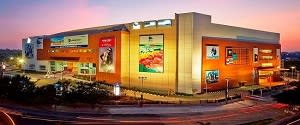
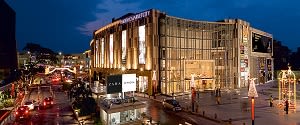
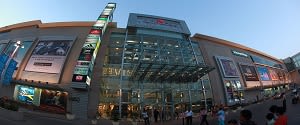
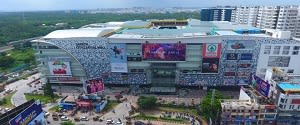
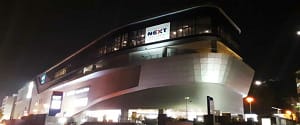
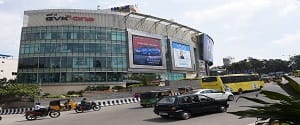
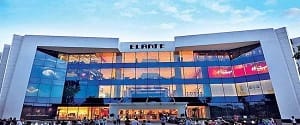

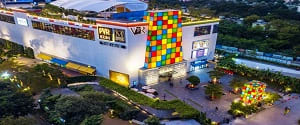
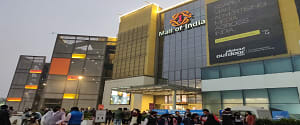
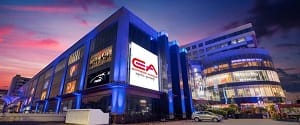
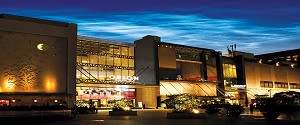
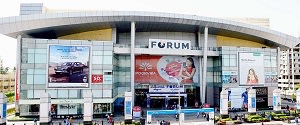



Retail And Mall>Mall Advertising Cost
| Ad Option | Rates | Place Ads |
|---|---|---|
| Pillar Branding | ₹ 7,000 - ₹ 3,50,000 | Book Ads Now |
| Facade | ₹ 40,000 - ₹ 7,00,000 | Book Ads Now |
| Back Lit Board | ₹ 10,000 - ₹ 2,25,000 | Book Ads Now |
| Digital Screen | ₹ 1,650 - ₹ 6,50,000 | Book Ads Now |
| Glass Branding | ₹ 75,000 - ₹ 6,50,000 | Book Ads Now |
TMA Quick Insights for Q2 2026
Nontraditional media outlets have become the foremost choices for advertisers, with the highest ad spends seen on Marketing Collateral and Delhi Metro Train platforms. Brands seeking enormous reach, audience engagement, and visibility have utilized Digital Screen and Interior Train Branding for national campaigns, product launches, and branding exercises. With high recall rates and superior return on investment, these platforms underpin the future of impactful, persuasive advertising in the media landscape.
Top Medias with Highest Ad Spend
Marketing Collateral
Leveraging nontraditional avenues, Marketing Collateral stands as a market leader with the highest total spend of ₹1.05Cr, showcasing its extensive reach and meticulously tailored audience profile. The reasons advertisers are drawn to it for national campaigns, premium launches, and corporate branding are manifold, including unrivalled visibility, high recall, impressive return on investment (ROI), and the seamless adaptability it offers. Make a powerful, professional impression through persuasive communication and enjoy impactful outcomes with Marketing Collateral.
Delhi Metro Train
Leading the nontraditional sector with an impressive total spend of ₹59.4L, Delhi Metro Train epitomizes effective market leadership. Its expansive reach and diverse audience profile make it the go-to choice for advertisers aiming for national campaigns, premium launches, and corporate branding. With high visibility, assured recall, and favorable ROI, it's no wonder Delhi Metro Train stands as a valuable tool in propelling brand stories. More than just a transit medium, it's a high-impact advertising platform.
Vande Bharat Train
Dominating the market, Vande Bharat Train reigns with an unparalleled total spend of ₹54.38L in the nontraditional realm, piercing through noise to reach a diverse audience profile. Preferred by advertisers for national campaigns, premium launches and corporate branding; it guarantees striking visibility, top-notch recall, and substantial ROI. Seamlessly adapting to the nontraditional vertical, Vande Bharat Train ensures a superlative branding experience, delivering persuasive, professional, and impact-laden messages round-the-clock.
Non AC Bus Bangalore
Non AC Bus Bangalore effortlessly commands the nontraditional vertical with a staggering total spend of ₹46.45L, thereby maintaining market leadership. Our expansive reach and unique audience profile make us the prime choice for national campaigns, high-profile product launches, and robust corporate branding. Advertisers gravitate towards us for our unparalleled visibility, impressive recall, and impressive ROI. Entrust your brand with Non AC Bus Bangalore, and experience the quintessence of persuasive, professional, and high-impact advertising.
Lucknow Metro Train
Setting the benchmark in nontraditional advertising, Lucknow Metro Train solidifies its market dominance with the highest total ad spend of ₹37.81L. Preferred for national campaigns, corporate branding, and premium launches owing to its substantial reach and comprehensive audience profile, it guarantees unparalleled visibility and recall. Advertisers invest in Lucknow Metro Train not just for its impressive ROI; they value its seamless adaptation to the nontraditional vertical, making their messages persuasive, engaging, and impactful.
Top Media Options Used in BTL Campaigns
Digital Screen
Digital Screen dominates the nontraditional vertical, executing a record-breaking 44 campaigns, proving its market leadership. Our high reach, unique audience profile, and unmatched visibility make us the preferred choice for national campaigns, premium launches, and corporate branding. The reasons behind our popularity include not just our remarkable recall but also impressive ROI. Experience the power of Digital Screen; acclaimed for its adaptability, persuasion, professional execution, and impactful results. Invest in enduring impressions, invest in Digital Screen.
Interior Train Branding
Mastering nontraditional verticals, Interior Train Branding reigns as the market leader, executing an unbeatable 20 campaigns. Favoured for national campaigns, premium launches, and corporate branding, our services offer an impressive reach to a diverse audience profile. Our adverts maximize visibility and recall, delivering unmatched ROI. Interior Train Branding seamlessly adapts to nontraditional spaces, affirming our stronghold in the industry and making us the prime choice for persuasive, impactful, and professional brand promotion.
Newspaper Insert
Newspaper Insert, the market leader in the nontraditional vertical, has masterminded over 15K avant-garde campaigns, signaling a narrative of creative triumph. Our stellar audience profile and unprecedented reach make us a nexus for national campaigns, premium launches, and corporate branding. Advertisers prefer us for the prominence we offer, aiding high visibility, top-tier recall, and noteworthy ROI. With Newspaper Insert, gracefully adapt to the unconventional and leave a lasting impact.
Printing And Pasting
Printing And Pasting, a renowned market leader, garners unparalleled visibility with its top 10 riveting campaigns executed in the nontraditional sector. With unmatched reach and targeted audience profile, it's consistently favoured by advertisers nationwide for premium launches and impactful corporate branding. With a focus on recall and enhanced ROI, we seamlessly blend with the atypical vertical, reinforcing why Printing And Pasting symbolizes excellence in non-conventional advertising. Elevating brands, we create immersive narratives that resonate.
No Parking Board
Behold No Parking Board, the absolute market leader renowned for its impactful execution of 10 top-tier nontraditional campaigns. Its distinctive reach captivates an unparalleled audience profile, making it the first choice for advertisers for national campaigns, premium launches, and corporate branding due to superb visibility, memorable recall, and impressive ROI. Engaging with the nontraditional vertical naturally, No Parking Board ensures your brand is not just seen, but remembered and desired. Step into the future of advertising today with No Parking Board.
Top Categories by Ad Spend in Q2 2026
| Category | Ad Spend |
|---|---|
| Transit>Metro Train | ₹1.9 Cr |
| Others>Others | ₹1.0 Cr |
| Transit>Express Train | ₹51.0 Lakh |
| Transit>Non AC Bus | ₹46.5 Lakh |
| Residential>Apartments | ₹33.0 Lakh |
What is the meaning of mall advertising?
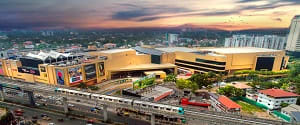
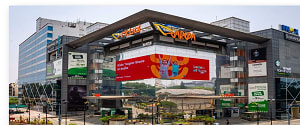
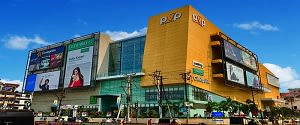
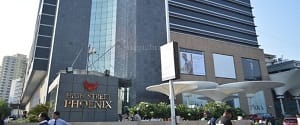
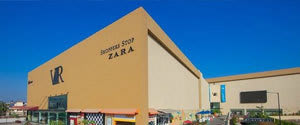
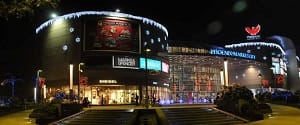
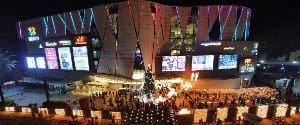
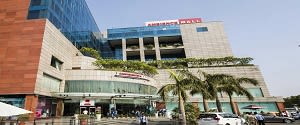
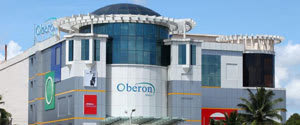
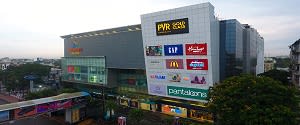
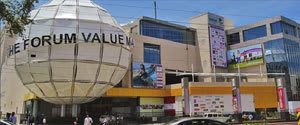
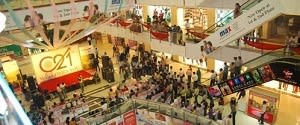
Mall advertising is a form of Non-traditional advertising where the ad placement is purchased in a shopping mall or heavily trafficked retail environment. Mall marketing can occur not just in large shopping malls, but also in smaller shopping centers. The ads can be placed on a digital display, kiosks, or escalators. Mall ads also include large-format displays which are generally presented either outside of malls or hanging signage. These mall ads can be small placards or large-format displays that grab shoppers' attention.
What are the benefits of mall advertising?
- People are attracted to the social aspect of malls. The mall’s ability to be a gathering point for friends and family is adding to its appeal.
- Malls offer a level of convenience when it comes to quick purchases, especially gift purchases.
- Not only can the brand publicize its products and services under one roof, but it can also sell them in the same place. By selling the products right on the premise of the mall, the brands can retain the attention of the customers before the actual sale is made.
- If the banners and standees are placed in high-traffic areas in the mall for instance, near the main entrance or the food court. It's likely to get the maximum engagement.
- Mall advertisements are location-specific, brands can use this to their advantage to target and attract the local crowd.
- Digital signage in malls can have a higher recall rate and can be a high-impact factor in non-traditional marketing efforts for brands.
What are the different types of mall advertising?
Choosing the right advertisement can mean shoppers and consumers are certain to notice your ad. To achieve the goal you first have to choose the type of advertising that will work best for you.
Mall Kiosks - These are large displays you’ll generally find in mall walkways. They are often backlit or have LED displays and tend to be freestanding. Your brands will be given the opportunity to do promotional displays and product demonstrations.
Escalator or Elevator wraps - These are advertisements that wrap around either an escalator or elevator. For multi-level malls, they are an effective way to get your ad into a place that’s likely to be heavily trafficked by consumers.
Sky banner- These are attention-grabbing ads that hang from the ceiling.
Banners - These ads are similar to sky banners but are generally thinner and don't hang from the ceiling but instead make use of the existing structures of the mall.
Spectaculars - These enormous ads are placed outside the mall for passing motorists and mall customers alike to see. They tend to run around 60 feet wide and are best suited for large brands looking to make an eye-catching impact.
Tabletops - Used in mall food courts, these take the place of any tabletop design so that people see your ad while they eat or as they pass through the area.
Digital - These are ads that incorporate digital elements like video. They can be static advertisements or they can mix in an assortment of dynamic elements so that people are more likely to watch.
Cinema advertising - This is when brands use the mall's movie theater for advertisements. This may be done through various technologies, from static posters to digital ads.
Why advertise in shopping malls?
Mall advertising is the best way to drive sales, enhance brand awareness, and build traffic. There are very limited places where the audience is really in the buying mood, and shopping malls are one of them. A mall advertisement offers a brand the opportunity to target a pool of potential customers within the minimum time possible.
Is mall advertising effective?
Shopping malls are popular among young people and the upper crust and hence known as excellent places to promote your products and services. The daily average footfall of shopping malls is higher than any other location, which results in a high number of impressions for your brand. Nowadays, malls and multiplexes are becoming known as efficient ways to market a company. Here, people are in the mood to buy, enjoy, and relax, which helps the brand's customers in a more efficient manner.
The Media Ant - A Non-Traditional Media Advertising Agency
The Media Ant is a specialist agency in nontraditional media and advertising. You can Contact us for the best nontraditional advertising ideas and options. Our out-of-the-box non-traditional advertising ideas and options would surely get your brand noticed. You can contact us online, by sending a mail to Help@TheMediaAnt.com or calling us at 08067415510.
FAQs
1. What size is mall advertising?
Depending on the medium employed, mall advertising can come in a variety of sizes and formats. Here are a couple of such examples:
- Posters and standees: These are typically the size of regular movie posters (about 27 x 40 inches), although they can be bigger.
- Kiosks at Shopping Malls: The size of them varies greatly, but a common size may be roughly 10 × 10 feet. The advertising panels on these kiosks will be smaller and will vary depending on the kiosk's design.
- Digital screens can range in size from modest 20-inch panels to enormous 70-inch screens or even more.
- Hanging banners may be fairly enormous, frequently measuring several feet wide and tall.
- Floor graphics come in a variety of sizes, but they should be large enough to capture the attention without becoming a tripping hazard.
- Wraps for lifts and escalators: The size of these adverts is determined by the size of the lift or escalator.
- Storefront or Window Displays: The size of these advertisements is determined by the size of the storefront or window.
2. What are the screens called in the mall?
Kiosk displays are possibly the most effective form of indoor display screen advertising for malls. They help retailers reach their target consumers on a large scale because they’re generally located in the center of shopping centers rather than just at entrances.
It’s important for shopping mall owners to invest in the most rugged interactive touchscreen displays on the market. Within the span of one day, countless people and even children are likely to use these machines, so they have to be able to handle almost anything that’s thrown at them.
Sometimes it can be hard to determine whether wall-mounted or free-standing displays would work best for a certain environment. Since malls are generally overcrowded during their peak hours, it might make more sense to install free-standing digital displays because they offer much more versatility and portability than their wall-mounted counterparts.
3. What are ads in malls called?
Advertisements at shopping malls are commonly referred to as mall advertising or retail advertising. The sorts of advertisements you could encounter at a mall might vary and have different names. Here are a couple of such examples:
- Advertising at Kiosks
- In-Store Promotion
- Digital Advertising
- Pop-up Elevator and Escalator Wraps
- Floor Graphics
- Sampling Stations or Demonstration Booths at Stores
Remember that the efficacy of these sorts of commercials might vary depending on factors such as the specific mall, the position of the ad inside the mall, and the demographics of the mall's normal visitors.
4. What size is a mall billboard?
Billboard sizes can vary greatly based on location, advertising demands, and local rules. A "mall billboard" does not have a prescribed size since it varies widely based on the mall's architecture and advertising rules. Here are some standard sizes for indoor advertising, such as what you could find at a mall:
- Poster: A poster is a smaller version of a billboard, often measuring 24 inches by 36 inches.
- Mall banners: These are often bigger, with a wide range of sizes. They can range in size from 3 feet by 6 feet to 10 feet by 20 feet or more.
- Digital display screens: These can also vary greatly in size, from small screens similar to a large TV (say, 60 inches diagonal) to large video walls that could be several meters wide and tall.
- Standees or Cutouts: These are often life-sized or larger, which would be about 6 feet tall and proportionally wide.
Again, these sizes are just estimates and can vary significantly depending on the specific mall and the advertising space available. It's best to consult with the mall's advertising department or a local advertising agency for precise information.
5. How do I advertise in a mall?
A mall advertisement may be a very efficient strategy to reach a big and diversified audience. Here's a step-by-step tutorial to help you get started:
- Determine your intended audience.
- Select the appropriate shopping center.
- Make contact with the mall's advertising department.
- Select the kind of advertisement
- Create your advertising
- Reserve your advertising spot
- Keep an eye on and assess
Remember that advertising restrictions and expenses might vary widely for different malls.
6. How much does it cost to advertise in a mall?
Costs are difficult to determine since mall advertising may take numerous forms, from static graphics to lighted dioramas to digital displays. Pricing will be in line with comparable outdoor advertising and DOOH ad spending. Your ad cost will be affected by its size and format. Tabletop ads at the food court are often on the lower end of the price spectrum. Banner advertisements and bigger wrappers are more expensive.
Furthermore, geography will be an important component of the ad budget. retail malls with more customers will be more expensive than less popular retail centers. Malls in more remote regions will have lower prices. The length of the ad is also a financial consideration. The average mall ad purchase lasts four weeks, however, the duration of an ad might vary. Advertisements placed during busier seasons will also be more expensive. Consider seasonality while planning your advertising. Because malls are busier during the Christmas season, prices may be higher.
Media Planning Tools

Budget Estimator Tool
Access live insights on estimated budget, minimum maximum budget, and more.

Competition Benchmarking
See where your competitors are investing and fine-tune your strategy to maximize visibility and performance.

Media Popularity Tool
Access the popularity of medias by verticals and your desired geography.